
An Incident With a CNR Train in 1974
“The roadbed was twinkling at night with the headlights shining on it.” This was the recollection of a trainman 50 years later.
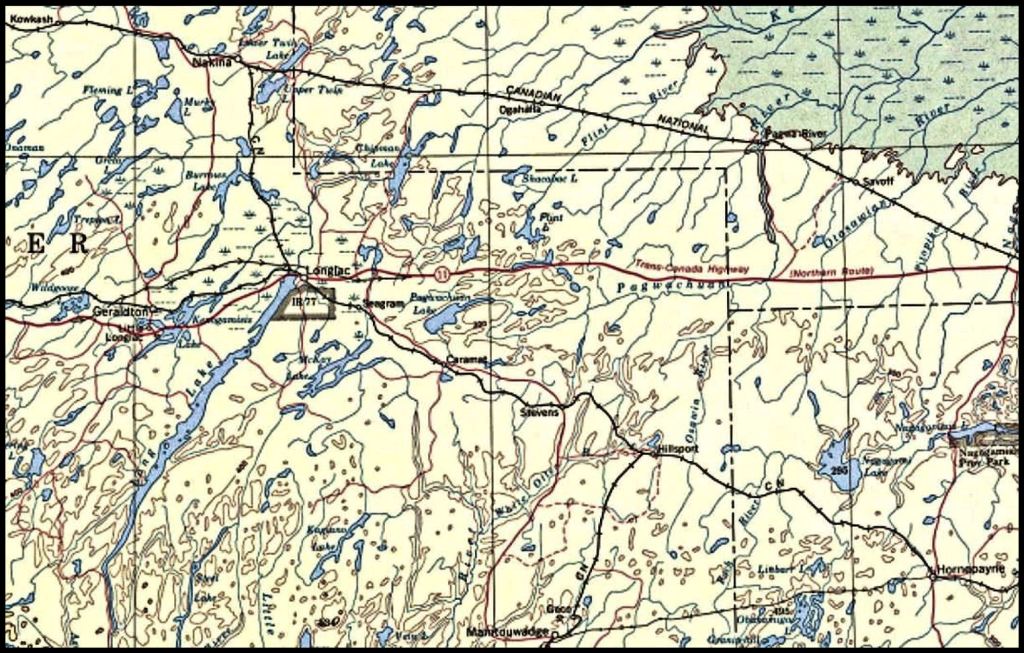
The incident occurred on Friday, February 22, 1974, but the media issued its first report two weeks later. On Friday, March 8, The Toronto Star, dateline Longlac, printed the news under the headline CN train spews out nickels. “Canadian National Railways officials were afraid something was wrong when a supposedly sealed freight car arrived at this isolated northern Ontario town with its doors open ̶ and thousands of brand new 1974 nickels lying all around.”
This news item was buried in The Star‘s back pages, the fate of all subsequent articles in various newspapers. It’s almost as if there were a conspiracy of silence surrounding the event. The article continued: “The loss was discovered Feb. 22, but an embarrassed CN spokesman in Toronto last night admitted ‘we don’t like to talk about missing valuables’.”
A CN employee stated that section men were picking up nickels by the wastepaper-basket. When the train arrived at the next stop (that would be Nakina), they found the doors open again.
The coins were being shipped from the Royal Canadian Mint in Ottawa. The article refers to a freight car again, and to the car’s destination as Winnipeg. Research has disclosed that no freight car was involved, and that the destination was Regina.
One alleged fact in the article has had a long life: “One source said about $27,000 was lost ̶ that’s more than 500,000 coins”.
Fifty years later, rumours still swarm around the facts of the case. This writer has combed through thousands of words of news reports and social media comments to arrive at a semblance of the truth. Official archives still fail to divulge the official facts.
The day after The Star report, The Globe and Mail, dateline Ottawa, reported: “About 27,000 nickels worth $1,350 were picked out of the snow immediately after they spilled out along the CN track near Longlac, but CN officials refuse to say whether they have located the remaining $25,000 worth of coins”.
This Globe and Mail reporter continued in the second paragraph: “The Master of the Royal Canadian Mint, G.W. Hunter, confirmed yesterday that about $27,000 spilled out along 80 miles of track near Longlac, north of Lake Superior, two weeks ago”. Note the phrases “27,000 nickels” and “$27,000 spilled out”, which may be confusing to some readers.
“A Bank of Canada official confirmed that ‘about $25,000 worth’ of the nickels and quarters to chartered banks in Regina did not arrive there.”
A “CN area head in Northern Ontario” (probably in Hornepayne) reported that CN patrol crew had picked up 270 pounds of nickels from the track the night of the event. “The coins had spilled out because of vibrations or after a sudden jarring of the container, which was on a flat-car. The lock broke and the back door of the container swung open . . . Some canvas bags containing the coins had somehow ripped open and the coins spilled out through the open door.” This is the first reference to a rough track, a flat car, and a broken lock. The “lock” was actually a “seal”, which did not require a key. These details seem to have been overlooked in subsequent news reports.
On the same day, March 9, The Windsor Star published a report referencing Federal Transport Minister Jean Marchand. The incident had been raised by a question in the House of Commons. Asked why the CN had not informed him of the details, Marchand replied, “‘I’m just the minister of transport. I’m very humble,’ he said”.
“Since then, he had been told by CN that loose bags of coins in a freight car apparently crashed into a door and broke it open, spilling nickels along the track.”
Note the allusion to a freight car. In the same report, G.W. Hunter, Master of the Mint, stated that the container was a boxcar. Hunter apparently said “the shortage” was not discovered until Winnipeg. He also said “the loss was ‘peanuts'”, referring to the $27,000 value.

A few days later, newspapers reported that some of the lost nickels were finding their way to local banks. On March 13, The Globe and Mail, dateline Longlac, reported that CN officials were making the public aware that anyone found trespassing on CN property, or if found in possession of stolen goods, could be charged. The maximum fine for trespassing was $20.
Cooperating with CN police, local banks had posted notices that they would not accept 1974 nickels, and asking customers to contact CN police. “Bill Clark, a CN policeman at Longlac, said yesterday he has been chasing people away from the tracks since the loss was discovered.” However, there were only two policemen to patrol 500 miles of tracks. Dozens of people had been spotted along the tracks every day, some of them using garbage pails to gather the missing nickels.
Clark continued, “The problem will become a lot worse in the spring when the snow melts; right now we still have three or four feet of snow, so it’s a little difficult to find most of it.”
Robert Lemieux, manager of the Canadian Imperial Bank of Commerce in Longlac, stated “We tell all the people who are coming in here with a lot of nickels they had better go see the CN police. I don’t know if they listen”. He added that he is not informing CN police about such customers in order not to offend them. “To be honest, I have one myself. It must have been run over by the train because it’s all bent.”
G.W. Hunter, Master of the Mint in Ottawa, stated that CN would be responsible for any coins not recovered. “Mr. Hunter said 92 bags, each containing $300 worth of nickels, were still missing yesterday.” That would amount to 27,600 nickels for a value of $1,380.
On March 14, The Toronto Star, dateline Ottawa, reported that J. Murray Shoup, manager of the Canadian Imperial Bank of Commerce in Manitouwadge, posted a note requesting people to turn over any 1974 nickels to CN police. “But he admitted if a customer balked, there was nothing he could do about it.”
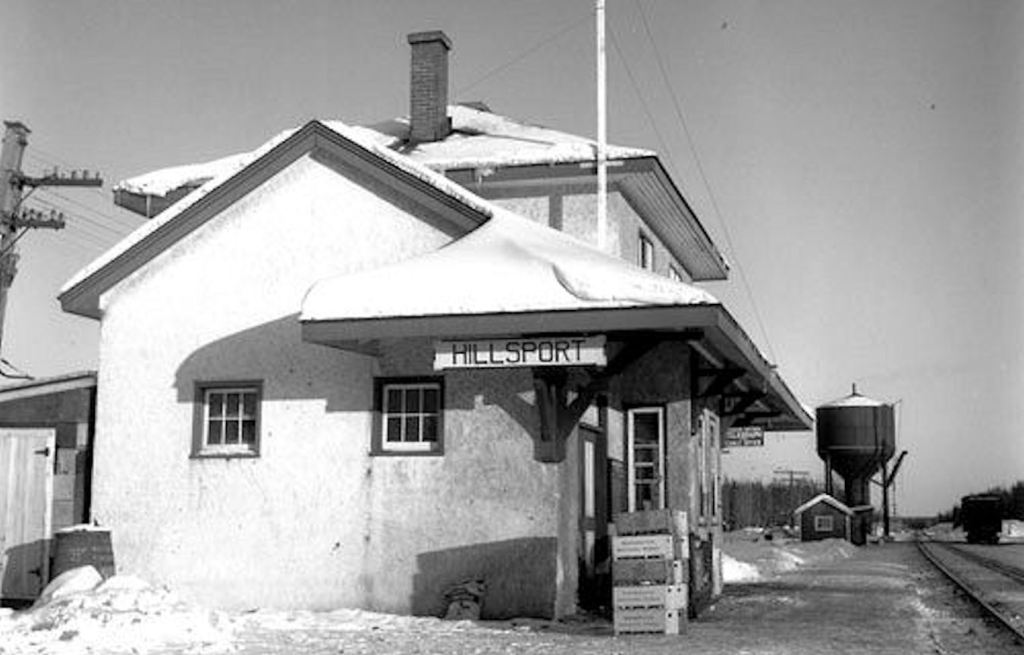
Manitouwadge was connected by bush road to Hillsport, another community on the CN line. Hillsport did not rate a mention in any news report. In 1974 Hillsport was connected to Manitouwadge by a railway spur to haul ore from the copper-zinc mines (Geco and Willroy), so some section men (railway workers who keep the line in good repair) may have called into the bank, as would have bush workers. The spur has since been decommissioned.
In the same report, according to G.W. Hunter, Master of the Mint, “‘The 1974 nickels have been distributed widely in the country already,’ he said, adding that the 1974 output of coins will be ‘over a billion’, far exceeding the record 862 million minted last year.”
On the same day, the North Bay Nugget repeated some of the facts and non-facts with the dateline Longlac. It added that “CN employees have been scouring the area in below-zero temperatures, but reports indicate a large amount still is missing”.
The story of the great nickel spill lapsed into limbo for two and a half months. On June 1, The Globe and Mail published a story datelined Nakina. “Many of the 1974 nickels, with the tell-tale damaged edges, are circulating through the cash registers of the town’s economy.”
Mickie Popowich, whose husband owned the Nakina Hotel, stated “We’ve got a few boxes full here. All the businesses are holding on to them. Nickels always come in handy.” The coins were showing up in stores and restaurants. “Here in the beer parlour we get them every day.” No businessman refused to take them.
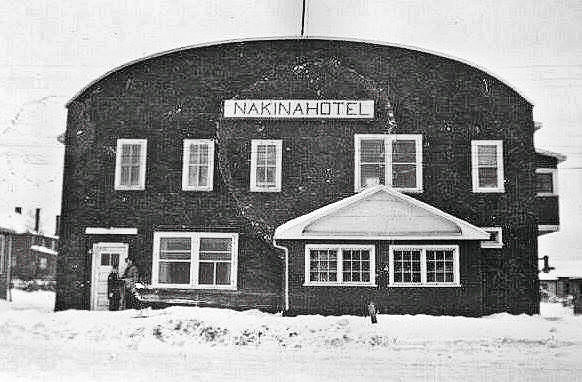
At the hotel, she said, “Some come in here with 30 or 40 nickels at a time ̶ they have three or four bottles of beer”. She added, “We know they are [railway] section men and that they are not making very much money so we don’t argue.”
The nearest bank was 40 miles away, so businesses did not deposit coins there, and the nickels kept circulating around town. The manager of the Canadian Imperial Bank of Commerce in Longlac said the bank had been “getting only the odd one so we are taking them”.
R.H. Bestvater, manager of the Toronto-Dominion Bank at Geraldton, also 40 miles from Nakina, stated that a few coins did show up, but no one had advised him to not accept them. “I don’t know why we would refuse to accept them ̶ we don’t know where the customer got them.”
Nakina is connected by road to both Longlac and Nakina.
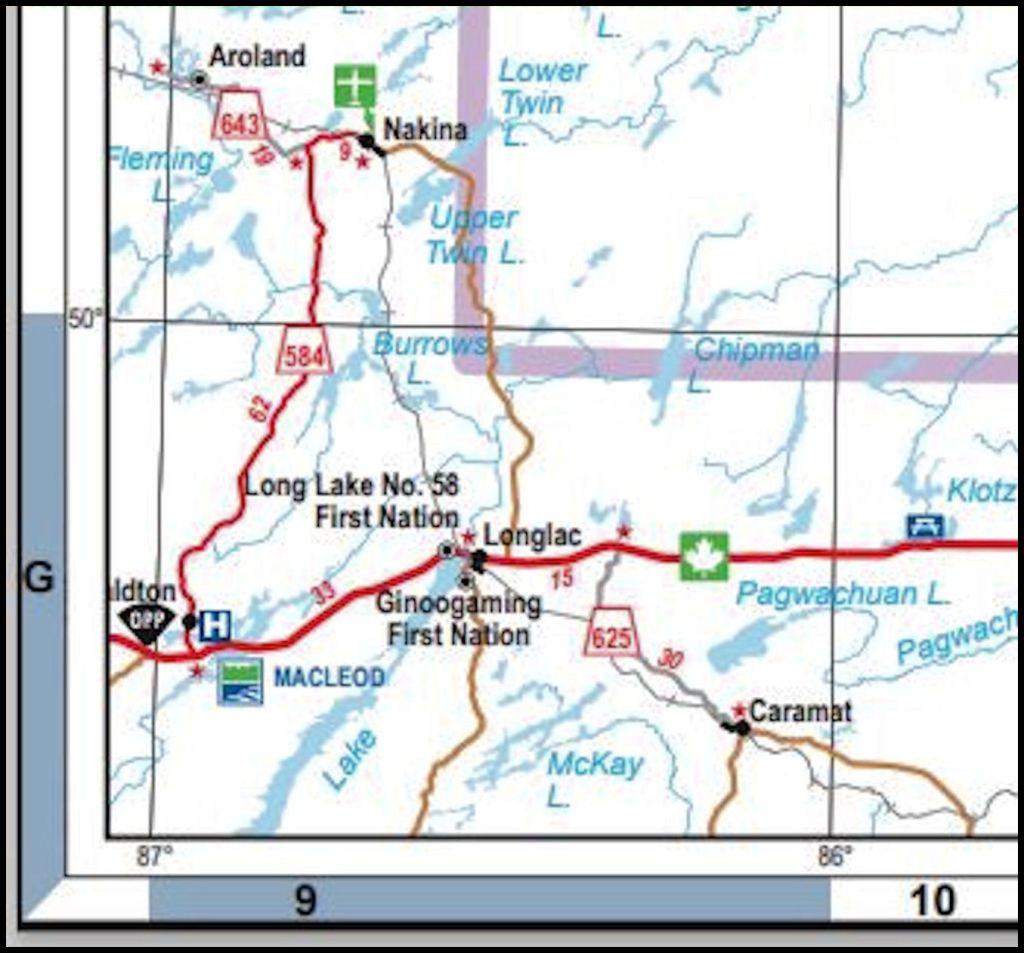
Credit 2023 Official Road Map of Ontario, ontario.ca.
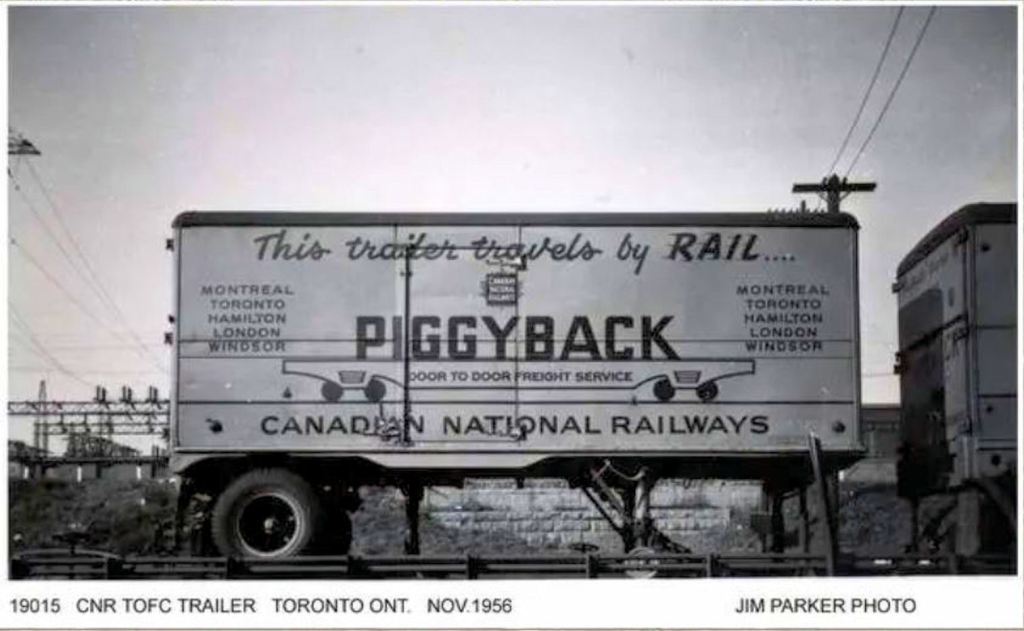
On the same day, June 1, The Toronto Star began a short clip datelined Nakina with “The great Nakina nickel caper is still going full-blast, three months after a defective piggy-back carrier on a CNR freight train dumped $25,000 worth of new nickels for 80 miles along the tracks.”
This is the first mention of a piggyback carrier. “About $1,600 worth of the coins were returned to authorities. Most of the rest are either in circulation in this area, 725 miles northwest of Toronto, or lying along the right of way waiting for warm-weather nickel pickers.”
The item continued: “Most of the 1974 coins have marks along the edges and they’re known as ‘Nakina nickels’. Province police Constable Don Pentney said the spill included some new quarters too”.
These two news reports were the last credible reports in the press.
(Continued in Part 2)
 E.J. Lavoie's Blog 3
Very interesting, Edgar.
Did you ever think of posting a link to your blog on the Stevens Facebook page (if you don’t already). It would be of interest.
Were you able to open and listen to the piece about the Jesuits and Infant Jesus Church?
Happy New Year
Elaine
>
LikeLike
Refresh my memory of the Jesuits piece, please.
LikeLike
Ok. I got a piece I did for cbc
LikeLike