

One ordered tickets ahead of time.
An Incident With a CNR Train in 1974
“I remember train crews remarking about how the roadbed was twinkling at night with the headlights shining on it.” Barry Scott, trainman, was one of many who responded to this writer’s appeal to memories of that 1974 incident.
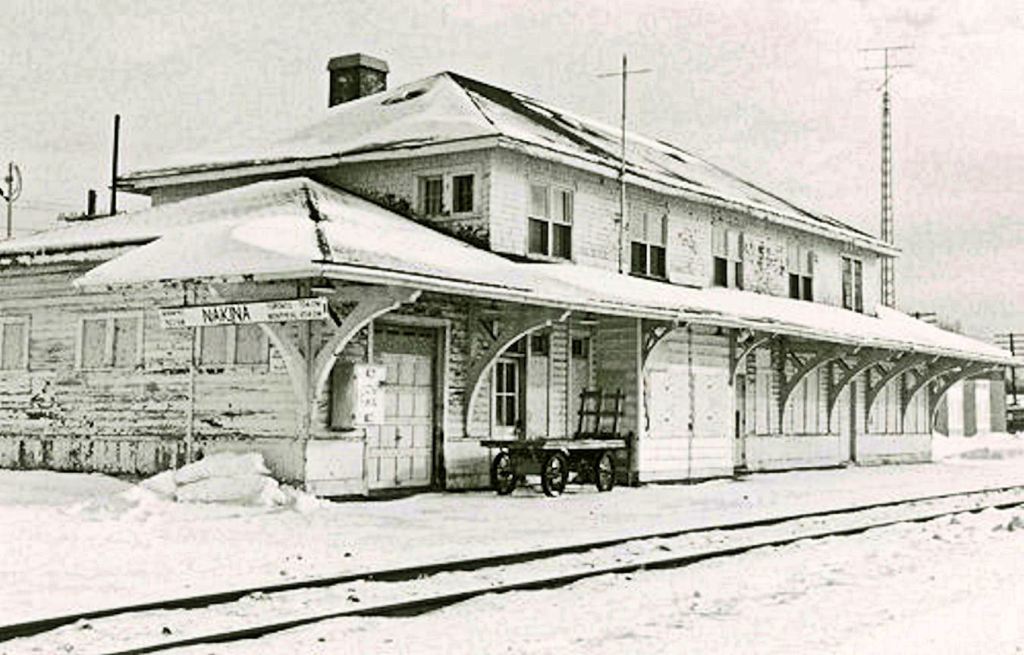
In another reply, Scott said “I was dispatching the Caramat Sub that night. The piggyback trailer doors opened around Hillsport and the bags of coins starting spilling out. The open doors were discovered when the outgoing crew inspected the train at Nakina. Howard Burnie was the operator on duty and reported it to our office. He and the crew members got the doors closed and resealed, then picked up as many coins as they could off the piggyback flat car. As far as I know, it remained intact for the rest of the journey.”
Scott’s reply sheds new light on the incident. The Caramat Sub or Subdivision was an administrative unit of Canadian National Railways that stretched from Hornepayne to Nakina. It covered 131.6 miles of single tracks (not counting spurs and sidings). As dispatcher, Scott was responsible for coordinating and controlling train movements from his Hornepayne office. The trailer was a transport truck trailer, separated from the cab and engine (the tractor). The trailer was piggybacking or riding on a flat car, properly secured to so that it would not tumble off. Hillsport is a small community on the CN line 42.3 miles west of Hornepayne.
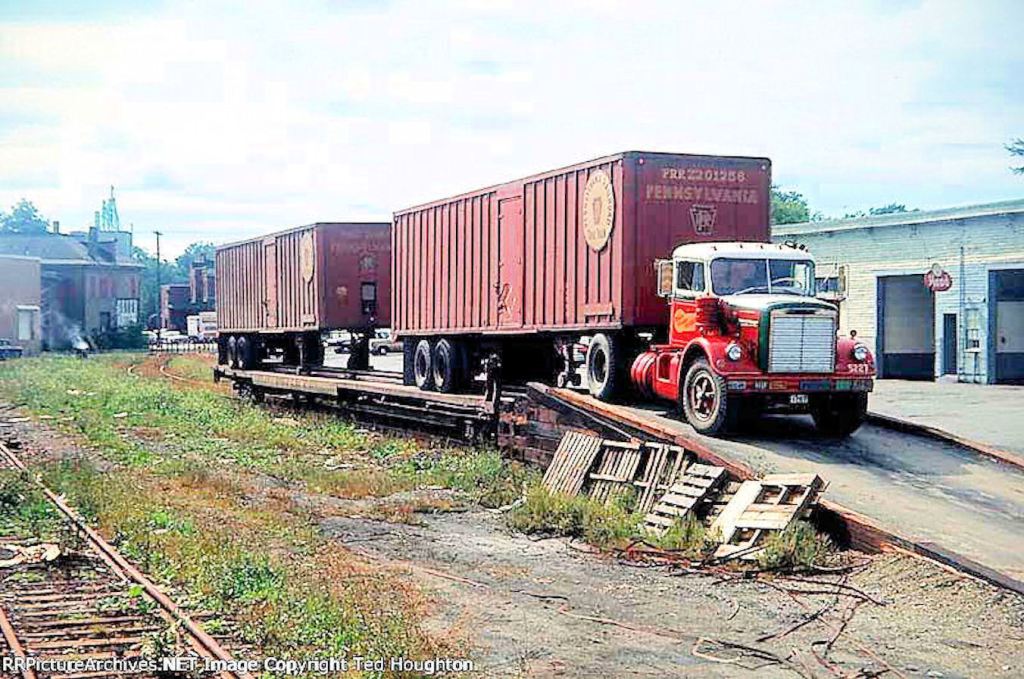
Jeff Whelan, another trainman, added “Yes, Barry’s account is correct. I relieved Howie [Howard Burnie] that night and remember the desk in the office at Nakina being piled high with nickels. I also helped to throw some of the bags back into the trailer. I still have a couple of those nickels [and] one or two have wheel marks on them”.
Fifty years after the incident, one respondent directed this writer to a former Hillsport resident and his blog with this description: ” It was winter and I was 13 years old. The railroad section gang came home around noon that day [and] told their families about money on the tracks. I could hardly wait until school was done so I could check it out for myself. Sure enough, there were nickels on the tracks! I filled my pockets as did many other children and adults. I still have one of the coins.”
Tom Igarik expanded on this reminiscence in an email to this writer: “The train was moving fast, which was quite evident by the damage to the coins. Every nickel I picked up had some sort of damage. In fact, many of them had to be straightened with a hammer”.
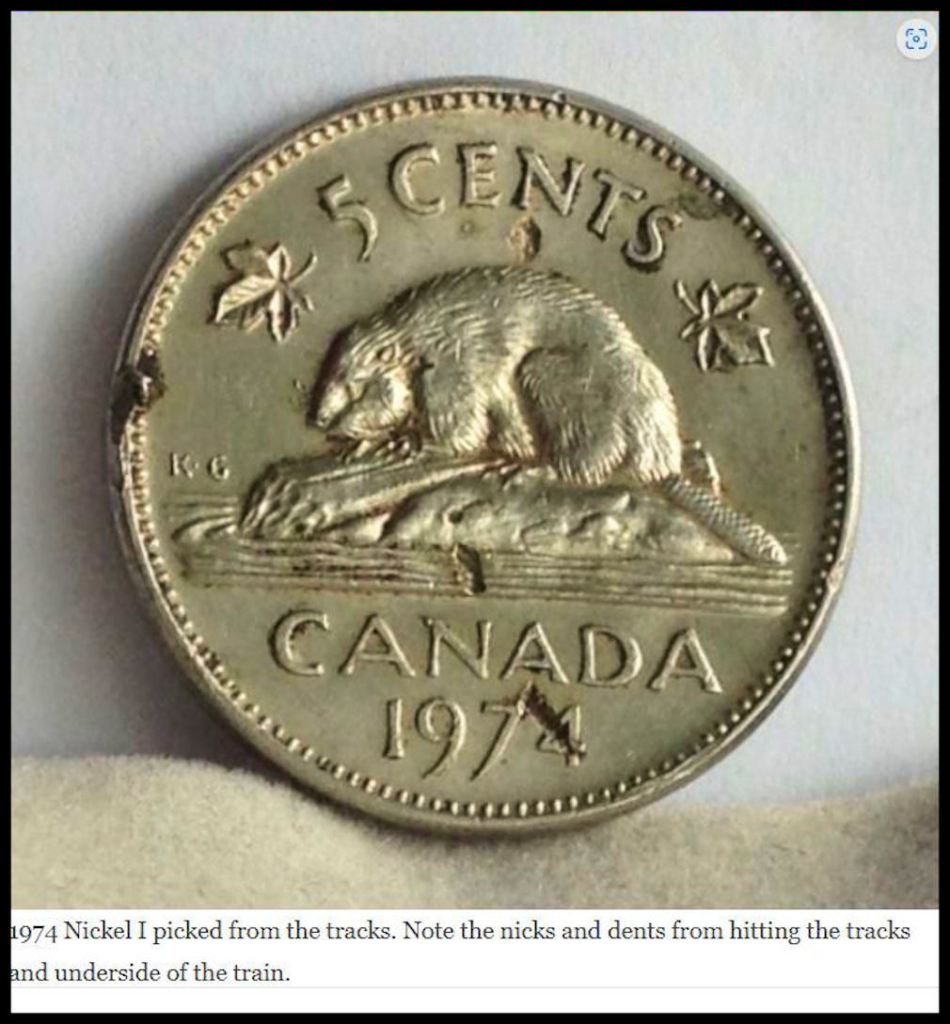
Judging by Igarik’s account, the spill occurred sometime in the evening of February 22 because section men did not discover the nickels until next day’s shift. No employee timetable showing a freight traIn schedule has yet come to light.
Michael Gifford, another trainman, recalled “I had just hired on and was doing my trial trips. There were lots of them [nickels] spread out for miles near Hillsport. I was like picking blueberries but with nickels. They all had scratch marks from hitting the roadbed at speed, which was mostly slag then. It was quite a sight to see them on the ties for miles”.
This writer’s query triggered a lot of memories of the incident. Many memories corroborated the known facts, such as Tony Cargnelutti’s response: “Myself, Michael Springsteen, and Waverly Newton heard about it and we went up the tracks from Longlac’s east end and we collected approximately $45.00 in nickels along the tracks and [in] the snowbanks where they left a mark where they penetrated the snow. I still have the coins. They were dented and some of them were bent. It was a fun day”.

Some people described collecting the coins by the handful, carrying them in their socks, pockets, lard pails, and buckets. One person, who shall remain nameless, said “I know a lady from Hillsport, Ontario, who gathered a full bath tub full of nickels and wrapped them and went to Geraldton and bought a brand new Ford 1/2 town truck with the nickels.” A good story, but hardly likely.
This writer’s query elicited one response with entirely new information: Miles Borsa messaged,”I was the brakeman on the train that evening . . . The trailer doors were open on arrival at Nakina. The crew resealed the doors and proceeded west. We met an eastbound train at Kowkash and asked them to check the doors of the trailer that was a few cars back and they confirmed that they were open again, so we set the car with the trailer on it in the back track and the dispatcher had the next eastbound lift it back to Nakina where it was dealt with by staff of the yard office.”
In a telephone conversation, Miles Borsa, with some prompting, elaborated on his experience. As his freight train left for Armstrong on February 26, darkness was falling. At Kowkash his train pulled into a siding to allow an eastbound to pass through on the main line. Crew on the eastbound noticed the trailer doors open and money bags dropping out on the grating of the flat car. They radioed the westbound crew, who gathered as many bags and coins as they could and stuffed them back into the trailer. The west-facing doors of the trailer had opened, so they clipped on a metal seal.
Borsa described the bags as about 12 by 18 inches carrying the marking “5c”. Deeper in the trailer were bags marked “25c”. The train conductor’s waybill did not indicate any cash as cargo. The Hornepayne office advised them to put the flat car and trailer on the back track, meaning a parallel siding for storing cars. The westbound proceeded to Armstrong for a crew change. The next day, February 27, Borsa’s crew guided an eastbound to Nakina. There they met a CN policeman for the first time, but the railway cop did not interview any member of the crew.
Fifty years later, asked to recall the 1974 incident, many people’s memories blended the original news reports with the speculations back in the day. Hence, there were mentions of box cars with faulty floors.
News reports are touted as the first drafts of history, and the public relies on them for accurate information. But one news report back in 1974 was almost pure fantasy. It described a Wild West scenario of plucking nickels out of 14-foot snowdrifts, coins which leaked from a rickety wooden boxcar with a faulty floor. This report is copied and analyzed in Part 3, There’s nickel in them snowdrifts.
Hopefully, some researcher will accept the challenge of delving into the files of Library and Archives Canada and of Archives of Ontario. Until then, this is the best approximation of the facts that this writer can provide.
(Continued in Part 3)

 E.J. Lavoie's Blog 3